

Enhancing your indoor comfort begins with a modern HVAC system built for efficiency and reliability. A professionally upgraded unit ensures balanced airflow, consistent temperatures, and reduced operational strain, allowing your space to remain comfortable while lowering unnecessary energy consumption.
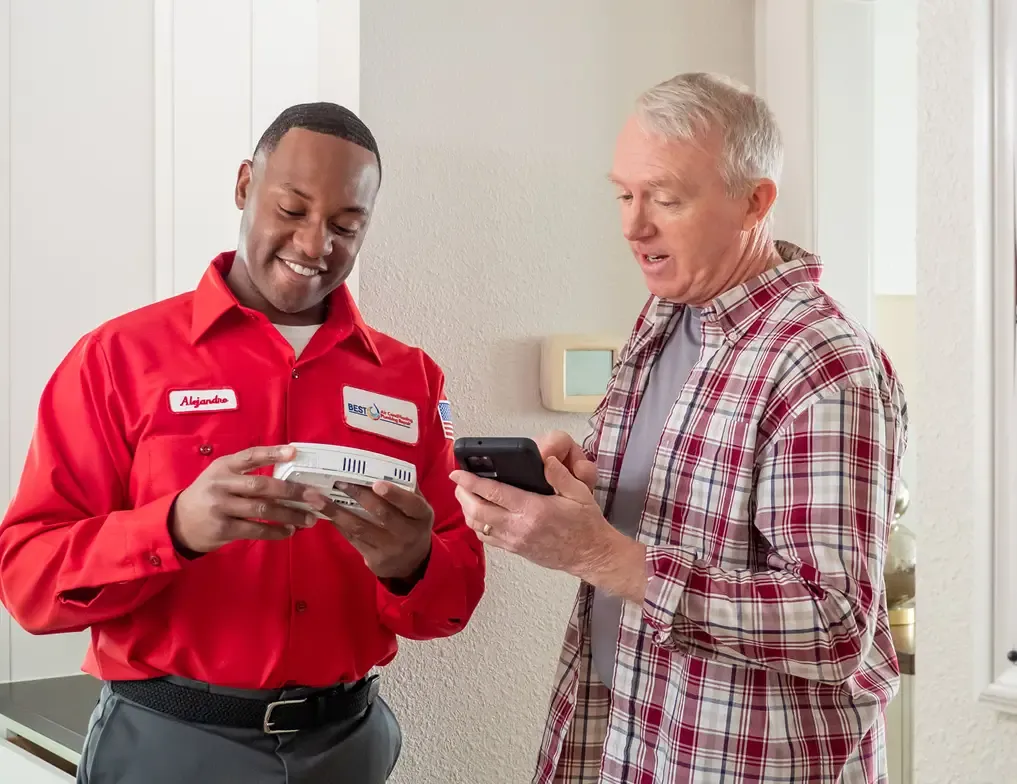
Making the decision to replace your HVAC system at the right time prevents unexpected failures and rising costs. When performance declines or repairs become frequent, upgrading offers a dependable solution that improves efficiency, stabilizes indoor temperatures, and ensures long term operational reliability.
Balance airflow properly
Proper airflow balance ensures equal temperature distribution throughout different areas of your property.
Adjust thermostat calibration
Accurate thermostat calibration helps maintain stable and consistent indoor temperature levels.
Assess system output
Evaluating system output identifies whether your unit meets your space requirements.
Temperature instability often indicates underlying HVAC inefficiencies. When a system cannot maintain steady conditions, it affects both comfort and performance. Addressing these issues with the right solution helps restore balance, improve airflow distribution, and maintain a consistently comfortable indoor environment.
Over time, HVAC systems lose their ability to perform efficiently, resulting in higher energy usage and reduced comfort. Aging components work harder to maintain performance, making replacement a more practical option for restoring efficiency and ensuring dependable operation.
Choosing the ideal HVAC system requires careful consideration of performance, efficiency, and long term value. A properly selected unit ensures reliable operation, balanced airflow, and optimized energy use, helping maintain a comfortable indoor environment while minimizing future operational concerns.
Replace HVAC when frequent breakdowns occur, repair costs rise, or system fails to maintain comfortable temperature efficiently.
Most HVAC systems last around 10 to 15 years, depending on usage, maintenance, and installation quality.
Yes, newer HVAC systems use advanced technology to reduce energy consumption and lower utility bills significantly.
Pricing depends on system size, efficiency rating, installation complexity, ductwork condition, and selected equipment brand.